
Live Free Software logo: mountains and a pine tree under a crescent LiveFreeSoftware Free Trial
0%

HVAC

HVAC Website Design & Lead Tools

The furnace stops on the coldest night of the year, and the homeowner calls every company on the first page of results. The one that answers gets the job, and often the next ten years of tune-ups. Good HVAC website design gets you that call, and our tools answer it.

12.9°FThe average January low in Concord, NH. Source: NOAA, U.S. Climate Normals 1991 to 2020, Concord Municipal Airport.

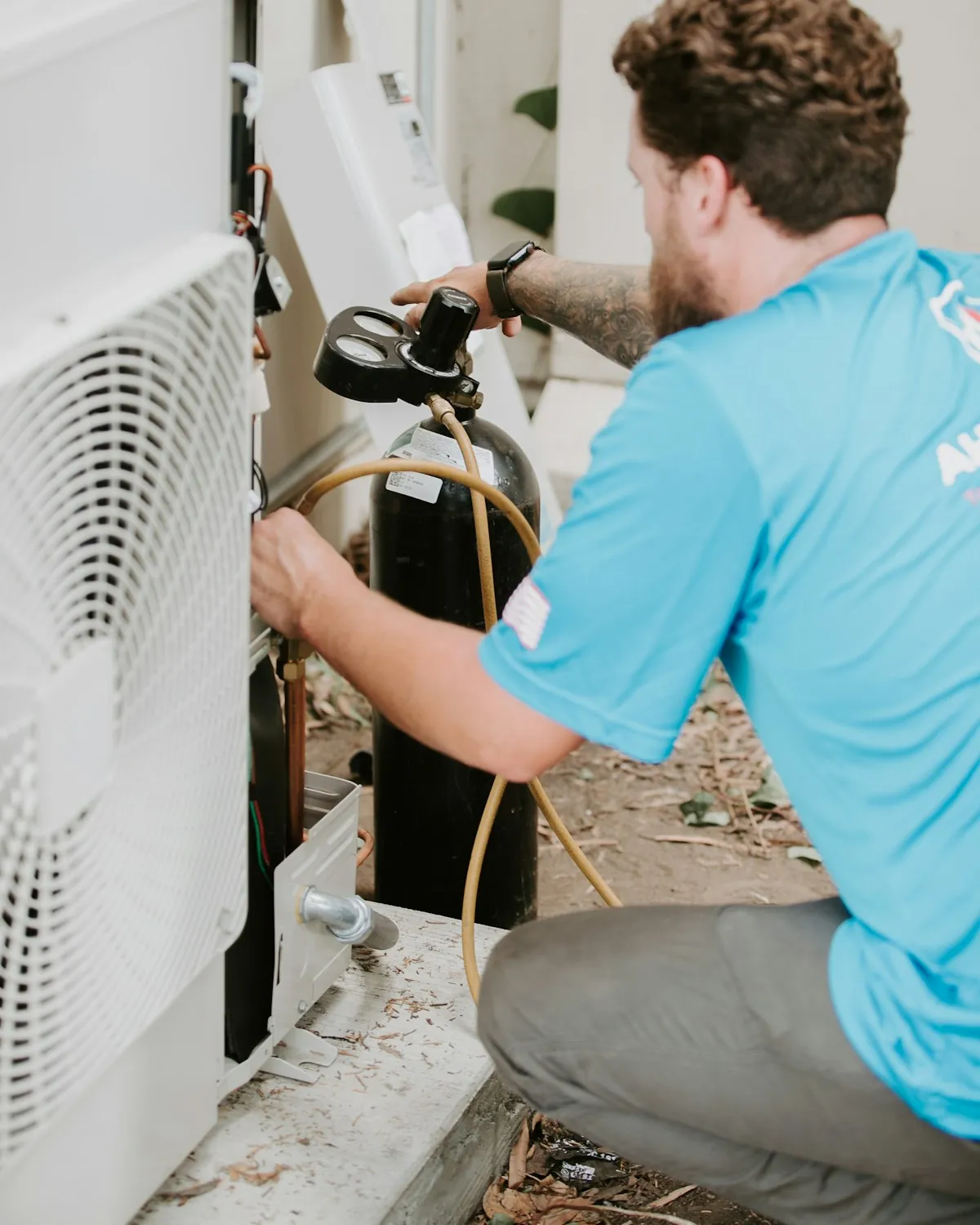
An HVAC technician kneeling to service an outdoor air conditioning unit

Problem 1: no-heat calls

The call that comes after you've gone home.

No heat can't wait for morning. If your phone goes to voicemail, the next company on the list gets the job and the family's trust.

40%

of New Hampshire households heat mainly with fuel oil, the most common heating fuel in the state. Every oil burner is a possible no-heat call.

Source: U.S. Energy Information Administration, 2020 Residential Energy Consumption Survey.
  1. The call

    "The furnace just stopped and it's getting cold in here."

  2. Answered

    AI call answering picks up. If a CO alarm is going off, it tells them to get out and call 911 first.

  3. Details

    Oil, gas, propane or heat pump. Any error lights. Is anyone at risk. The address.

  4. On-call text

    Your tech gets all of it by text and calls back knowing what truck stock to bring.

  5. Heat back on

    The job is marked done and the invoice goes out with a pay link.

  6. The follow-up

    A review request, and an offer to join your maintenance plan before it happens again.

An example night. AI call answering, invoices and review requests that go out on their own: Complete Platform ($300 a month). Call time runs about 3¢ to 4¢ per minute. AI usage can vary.

What the website shows

Your HVAC website answers before the phone rings.

An HVAC website has two jobs: catch the emergency today, and win the tune-up and replacement work that pays for the rest of the year.

A no-heat page

Your phone number big at the top, whether you take night calls, your after-hours fee and a few safe checks the homeowner can do while they wait.

The fuels you work on

Oil burners, gas furnaces, propane, boilers, heat pumps. Say each one by name. Searchers do.

A maintenance plan page

What a visit covers, how often, what members get first, and a button to join.

A rebates page

What NH, MA, ME and VT programs pay right now for the systems you install, with links to each program.

Replacement quotes

A form that asks the current system, its age, the home's square footage and how it's heated now, with room for photos.

All of these pages fit on Website & Analytics ($50 a month). Quote forms with photo upload: Basic CRM + Website ($150 a month).

Problem 2: the slow weeks

Sell the tune-up when the phone is quiet.

HVAC work comes in two rushes: the first cold snap and the first heat wave. In between, trucks sit. A maintenance plan fills those weeks with work you schedule, and members call you first when something breaks.

WinterNo-heat calls

SpringCooling tune-ups

SummerNo-cool calls

FallHeating tune-ups

Your plan members
Rush seasons in the dark quarters. Plan visits fill the light ones.
  1. A plan they can join online

    A page that lists what's included, with a sign-up button and a card saved for monthly or yearly billing.

  2. Reminders that book the visit

    In March and September, members get a text with a link to pick their tune-up slot. You decide which weeks to open.

  3. Members first in a cold snap

    Their records are tagged, so when the calls pile up you can see who gets the first open truck.

  4. Renewals without a call

    The plan renews on its own, and a heads-up text goes out first, so nobody is surprised by a charge.

Memberships, recurring billing and automatic reminders: Complete Platform ($300 a month). Texts run about 1¢ to 1.25¢ per message segment.

Problem 3: heat pump rebates

Four states, four programs, and they move mid-year.

Homeowners ask about rebates before they ask about brands. The answer depends on the state, the utility, the old system and the install date. Here's how it stood in November 2026.

New Hampshire

NHSaves: $250 per ton for air-source heat pumps. Up to $2,000 per ton when replacing electric resistance heat, for installs from March 23, 2026.

The higher rate needs pre-verification before the install. The rate went up partway through the year.

Massachusetts

Mass Save: $2,650 per ton for a whole-home system, up to $8,500. Partial-home: $1,125 per ton, up to $8,500.

For 2026 installs. Forms are due by February 28, 2027. Income-based offers pay more.

Vermont

Efficiency Vermont: up to $2,200 on a ducted heat pump, up to $475 on a ductless mini split.

Equipment has to be on the program's qualified list.

Maine

Efficiency Maine: updated its heat pump rebates on July 1, 2026.

Amounts depend on income and system type, so link straight to the program page.

Federal

Gone: the 25C tax credit ended for systems installed after December 31, 2025.

Customers who read about it last year will still ask.

Sources: NHSaves electric equipment rebates; Mass Save air source heat pumps; Efficiency Vermont 2026 rebates announcement; Efficiency Maine vendor update, July 2026; IRS FAQs on Public Law 119-21. All checked November 2026. Programs change, so check before you quote.

One page, kept current

A rebates page with the state programs you install under. You update a line when a rate changes, and it builds trust that a call center script can't.

A quote form that asks the right things

State, utility, current heating fuel, whether there's electric baseboard, and the home's size. You know which rebate fits before the site visit.

Rebates page: any plan, from Website & Analytics ($50 a month). Quote forms: Basic CRM + Website ($150 a month). Estimates and follow-ups: Complete Platform ($300 a month).

FAQ

HVAC questions.

What heating and cooling contractors ask us first.

Talk through your on-call setup

Book a call and tell Giles how night calls reach your techs today. He'll show what the AI would say and who it would text.

Book a free call

Can the AI send different calls to different techs?

Yes. You set the rules: no-heat calls text whoever is on call that night, routine requests go to the office list for the morning, and members can be flagged so you see them first.

What should the AI say if someone smells gas?

Whatever your safety policy says, word for word. Most contractors tell callers to leave the house and call the gas company or 911 from outside. The AI repeats that first and doesn't try to troubleshoot.

How should I price a maintenance plan on the site?

Show one clear price, monthly or yearly, and list what's included: visits per year, any discount on repairs, and how members are scheduled in a rush. If you have two tiers, keep it to two.

Can customers request a replacement quote online?

Yes. The form asks about the current system, its age and the home's size, and takes photos of the unit and its label. You can price many jobs before you visit, then confirm on site.

Do you list my brand certifications?

Yes, if you hold them. A dealer badge or installer program counts for a lot with homeowners who are spending real money. We only show what you can back up.

Will this replace my dispatch software?

Usually not. Many HVAC shops keep their field app for dispatch and parts. We handle the website, the phones after hours, plan sign-ups, reminders and reviews, and can run alongside it.

See all FAQs

Answer the next no-heat call.

Try the call tools free for 5 days.