
Towing
Towing Company Website Design
Your customer is standing next to a dead car, often in the dark, holding a phone with low battery. They will call the first company that looks real and looks close. Your website has a few seconds to be that company, and that's what good towing company website design is for.
Below: four problems towing owners deal with every week, and what we set up for each one.
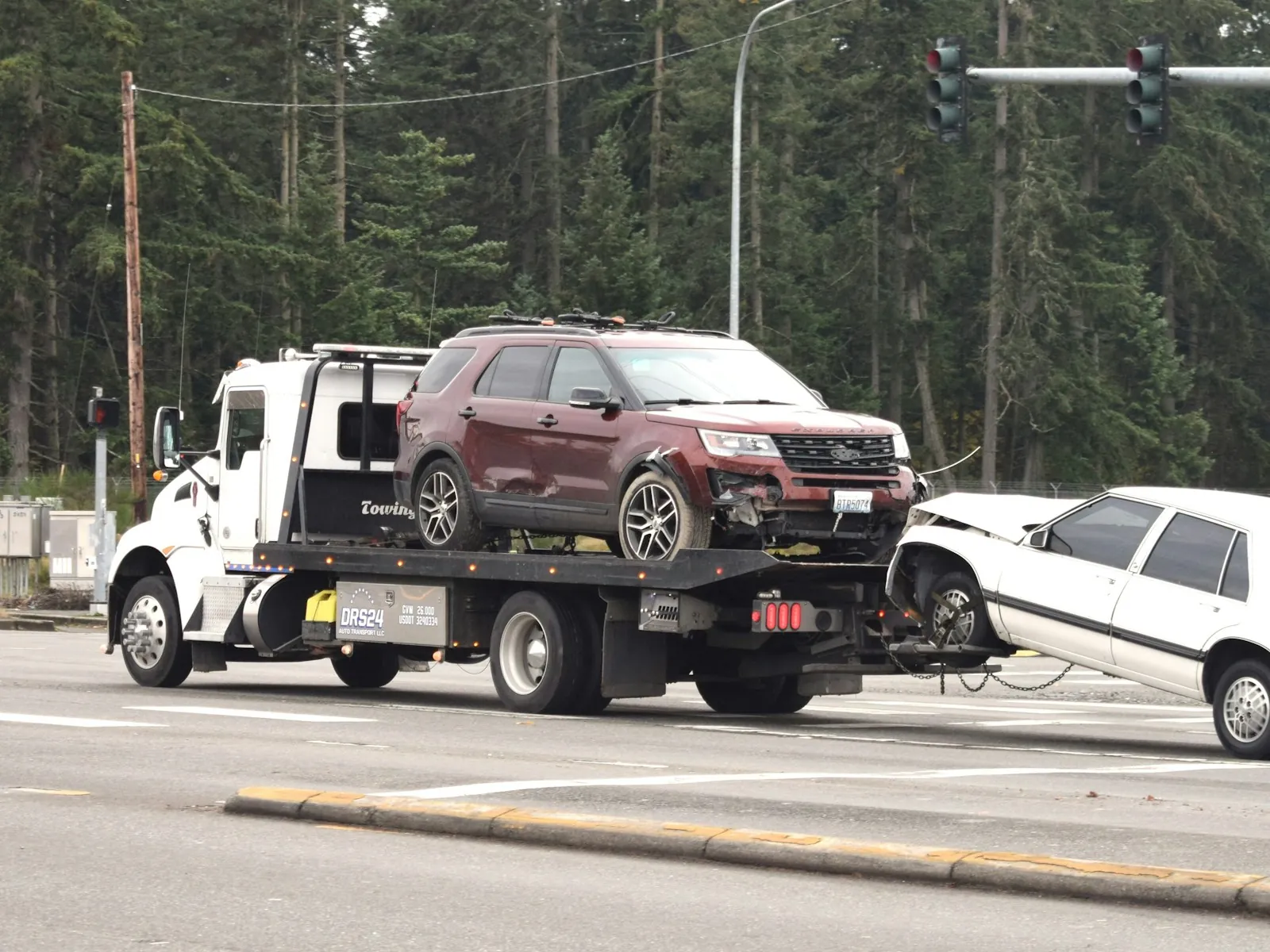
Problem 1: looking real
10,000
fake listings, taken down in one case.
In 2025 Google sued a man it said was behind a network of fake Maps listings. They targeted urgent jobs like towing and locksmiths. Callers reached a middleman, and the price often went up once the truck arrived. Drivers have heard these stories. Before they call, they check your towing website for signs that you're a real local company.
Source: Google's lawsuit and news coverage, March 2025.
Your trucks, in photos
Your own flatbeds and wreckers with your name on the door. Stock photos look like the fakes.
A yard you can find
Your real address on a map, so people can see where their car will be stored.
How you price
Your hookup fee and per-mile rate, or a promise to quote the price before you roll.
One page per town
"Towing in Windham" with your real drive time. This is also how you show up in local searches.
Numbers that check out
Your USDOT number if you have one, and the insurance you carry.
Reviews with real details
Customers who mention the road, the storm or the driver's name are hard to fake.
Problem 2: calls on the shoulder
The phone rings while you're hooking up a car.
Most towing companies are a few trucks and one phone. The next call always comes while you're winching a car out of a ditch, with traffic going by. Let it ring and that driver calls someone else. Pick it up and your mind is off the road.
123roadside assistance workers were killed by passing vehicles from 2015 to 2021, AAA Foundation researchers found. That's nearly four times what national crash data showed.Source: AAA, January 2024.
What the answering service sends you
- Caller
- Dana, (603) 555-0187
- Where
- Route 102, past the gas station, heading east
- Vehicle
- 2019 Subaru Outback, AWD
- Problem
- Slid off into a snowbank. Nobody hurt.
- Going to
- Her shop in Derry
You read it at your next safe stop, then call back with a time.
AI call answering, day and night: Complete Platform ($300 a month). A page where drivers tap once to send you their GPS location is a custom build, quoted first.
Problem 3: club work
Club calls keep trucks busy. Your towing company website builds the business.
Motor club and insurance dispatch fills slow days. But the club sets the rate and keeps the customer. A driver who finds you on their own is yours for the next breakdown, and the one after that.
A club or insurer call
RateSet by the club
CustomerBelongs to the club
Next timeThey call the club again
A call from your website
RateYour price
CustomerSaved in your records
Next timeYour number is in their phone
Drivers searching
Town pages, a strong Google Business Profile and a steady flow of reviews. After each job, a text thanks them and asks for a review.
Website from $50 a month. Review requests that go out on their own: $300 plan.
Shops and dealers
A page for repair shops, dealers and body shops to open an account, with one bill a month instead of a card at every drop.
Account form and contact list: $150 plan. Monthly invoices: $300 plan.
Property managers
Apartment complexes and plazas need someone for parking tows. A page that explains how you handle their lot, with a form to sign up.
A form and a page on any plan.
Problem 4: "where's my car?"
The angriest calls ask the same four questions.
If you do police, accident or parking tows, owners call upset. Do you have my car? When can I get it? What do I bring? How much? A release page answers all four before they dial.
Fewer calls to the yard phone, and calmer ones.
Owners show up with the right papers, so release takes minutes.
Posted rates head off the "you're ripping me off" argument at the window.
In Massachusetts, the Department of Public Utilities sets the most you can charge for police-ordered and trespass tows. Your page can show those rates in plain words.
The release page works on any plan. Plate checks sent by form and answered by text: $150 plan. Pay-ahead links: $300 plan.
Vehicle release
Example page. Your hours and rules go here.
- Hours
- Mon to Fri 8 to 6, Sat 9 to 1. After hours by appointment.
- Bring
- Photo ID, plus the registration or title.
- Pay with
- Card or cash. Pay ahead by text link.
- Rates
- Tow, storage per day and after-hours fee, listed here.
FAQ
Towing questions.
What tow owners and dispatchers ask us first.
Book a call. Giles will show what a caller hears at 2 AM and what lands on your phone after.
Book a free callDo I still need my dispatch software?
If you use one for motor club jobs and truck tracking, keep it. We handle what drivers see and hear before the job: the website, the calls you can't take, the texts and the reviews after.
Can the answering tell a real emergency from a price shopper?
It asks the questions you choose, like whether anyone is hurt and if the car is in a travel lane. Anyone who says there's an injury is told to call 911 first.
Should I post prices for towing?
Post your simple ones, like a jump start or a lockout. For tows, a hookup fee plus a per-mile rate is clear enough. For police and parking tows, list the rates you're allowed to charge.
I cover a lot of towns. Do I need a page for each?
Start with the five or six towns that bring the most calls. Each page needs its own details, like the highways you work and how long it takes you to get there, or Google treats them as copies.
Can I take a card at the roadside?
Yes. You text a payment link and they pay on their own phone, on the Complete Platform. No card reader needed in the truck.
Is there a contract?
No. Plans run month to month, and the website alone starts at $50.